

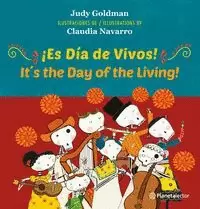
GOLDMAN, JUDY / NAVARRO, CLAUDIA
Cuando es otoño y se acercan el 1 y 2 de noviembre, México secubre de flores de cempasúchil para celebrar el Día de Muertos(aunque no es un solo día). Hay diferentes formas de celebrarlo entodo el país, pero se puede decir que en la mayoría hay un caminode fragantes pétalos de aquella flor, que les indica a las almas delos fallecidos la ruta hacia la ofrenda. En ella, hay papel picado,que representa el aire; velas encendidas, que son el fuego; frutasy flores, que simbolizan la tierra, y agua. Además, se colocan ahílas fotos de las personas fallecidas y cerca de ellas se colocan susplatillos favoritos... También puede haber calaveras de azúcar decoradas con coloridopapel brillante suelen llevar una cinta en la frente con el nombrede un fallecido o un vivo y pan de muerto delicioso, que tienediferentes formas y sabores, dependiendo de la tradición local.De esta manera, nuestros ancestros se sienten bienvenidos a unafiesta llena de color y sabor, y saben que nunca serán olvidados.Es una celebración cargada de luz y amor. ----- When its Fall and the 1st and 2nd of November are near, Mexico is blanketed in cempasúchil flowers to celebrate Día de Muertos (even though its not just one day). There are different ways of observing this holiday throughout the country, but its safe to say that in most places there is a fragrant path of cempasúchil petals that leads the souls of the dead towards the family altar. On it are papel picado, cut-out tissue paper that represents the air; lit candles, that signify fire; fruit and flowers that symbolize the earth; and water. Photos of the departed as well as dishes with theirfavorite foods are also there There can also be sugar calaveras, skulls decorated with shiny, colorful paper usually with a band across their foreheads with the name of someone who is dead or alive and delicious pan de muerto, bread of the dead, which has different shapes and flavors depending on local tradition. In this way, our ancestors are welcomed to a party filled with colors and flavors and know that they will never be forgotten. Its a celebration filled withlight and love.